Creating an inviting outdoor space is essential for those who love to entertain. Whether you're hosting a casual barbecue, a sophisticated dinner party, or a lively gathering with family and friends, well-designed outdoor areas can enhance the experience significantly. In this extensive guide, we’ll explore various aspects of designing functional spaces for entertaining outdoors, from landscape design principles to practical tips for creating an inviting atmosphere.
Understanding the Importance of Outdoor Spaces
Why Outdoor Entertaining is Trending
Outdoor entertaining has gained immense popularity in recent years. The allure of fresh air, natural light, and the sounds of nature make outdoor gatherings feel more relaxed and enjoyable. But what makes these spaces so appealing?
Connection to Nature: Being outside helps us reconnect with nature, reducing stress and enhancing mood. Versatility: Outdoor spaces can be customized for various occasions—from intimate dinners to large parties. More Room for Guests: Expanding your entertaining area outdoors allows for more guests without crowding your home.The Role of Landscape Design in Outdoor Entertainment
Landscape design plays a crucial role in creating functional outdoor spaces. It involves planning and arranging elements such as plants, hardscapes, furniture, and lighting to create an inviting environment.
- Aesthetic Appeal: Good landscape design enhances the beauty of your outdoor area. Functionality: Well-planned layouts ensure that spaces are practical for entertaining. Zoning: Dividing areas into zones (e.g., dining, lounging) allows for better flow and organization.
Designing Functional Spaces for Entertaining Outdoors
When it comes to designing functional spaces for entertaining outdoors, there are several key elements to consider:
1. Assessing Your Outdoor Area
Before diving into design ideas, assess your outdoor area’s size, shape, and existing features.
- Measure the space available. Take note of sun patterns throughout the day. Identify any existing landscaping features like trees or gardens.
2. Defining Purposeful Zones
Creating distinct zones helps organize your outdoor space effectively. Common zones include:
- Dining Area Lounge Space Cooking Area (Grill/Outdoor Kitchen) Fire Pit/Relaxation Zone Garden or Greenery
3. Choosing the Right Furniture
Selecting appropriate furniture is vital in making your outdoor space comfortable and inviting.
Materials Matter
Consider materials that withstand weather conditions:
- Wicker Teak Aluminum
Comfort Over Aesthetics
Opt for cushions and fabrics that provide comfort while complementing your overall theme.
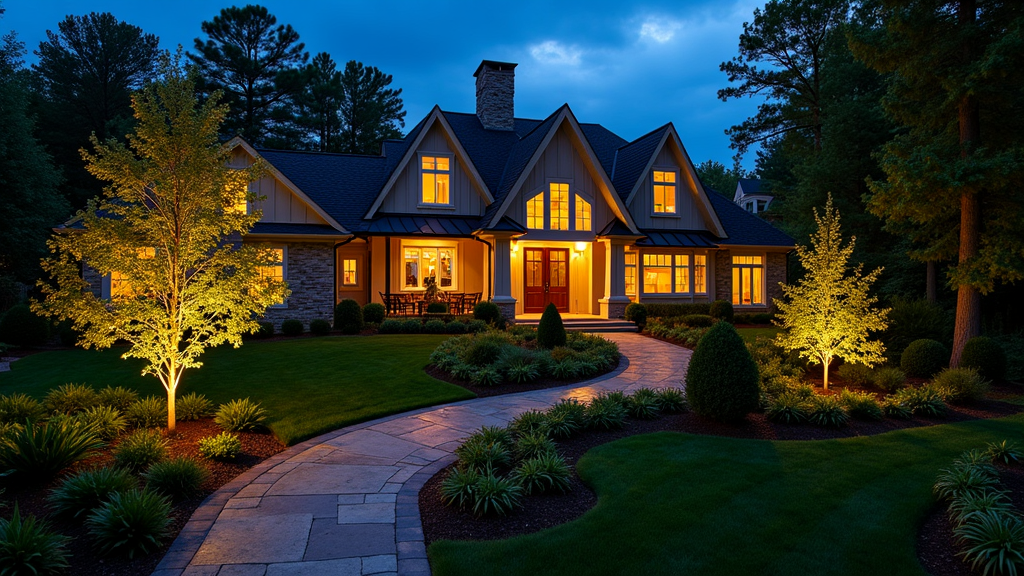
4. Incorporating Lighting Solutions
Good lighting transforms an outdoor space after sundown.
Layered Lighting
Incorporate different types of lighting:
Ambient Lighting (string lights or lanterns) Task Lighting (focused on cooking or dining areas) Accent Lighting (highlighting plants or architectural features)5. Enhancing Privacy with Landscaping
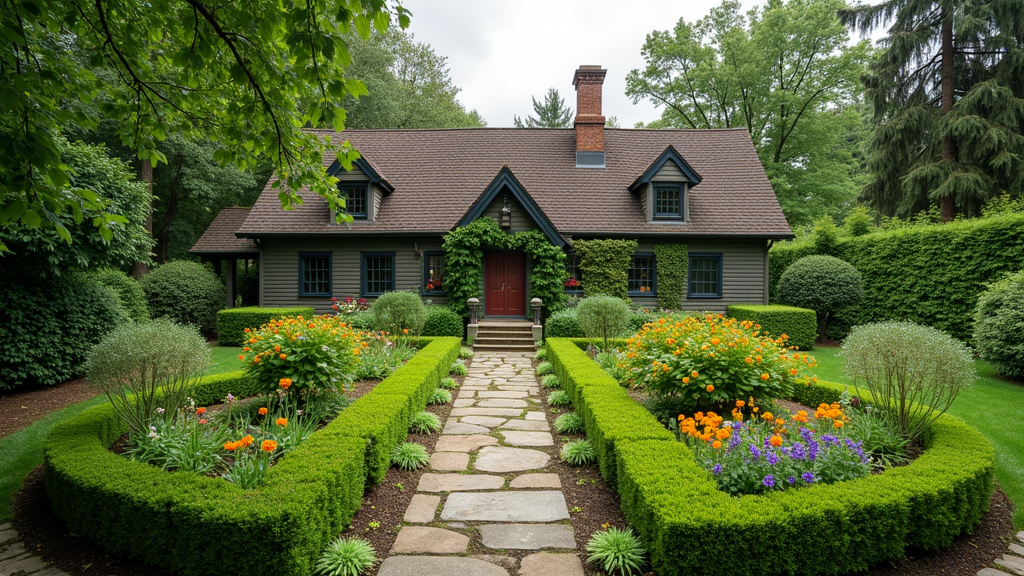
Landscaping can create privacy without building https://www.ramirezlandl.com/ walls.
Natural Barriers
Utilize tall plants or trellises with climbing vines as natural barriers.
Strategic Plant Placement
Position shrubs to block views from neighbors while still allowing airflow.
6. Adding Functional Features
Functional features enhance usability during gatherings:
- Fire Pits: Great for warmth and ambiance during cooler nights. Pergolas: Provide shade while allowing you to enjoy sunny days. Water Features: Add tranquility and visual interest.
7. Integrating Technology into Your Design
Smart technology can elevate your outdoor experience:
Styles of Outdoor Spaces for Entertaining
Choosing a style affects how inviting and functional your space will be:
8. Rustic Charm
Rustic styles emphasize natural materials like wood and stone with cozy furnishings.
Elements Include:
- Reclaimed wood tables Stone fire pits Vintage decor items
9. Modern Minimalism
For those who appreciate clean lines and simplicity:
Key Features:
- Sleek furniture designs Neutral color palettes Open spaces without clutter
10. Mediterranean Influence
Bring warmth and vibrancy to your gatherings:
Characteristics Include:
Colorful tiles Wrought iron fixtures Abundant greeneryCreating Ambiance Through Decor
Decor can set the mood during any gathering:
11. Seasonal Decorations
Change decor according to seasons:
Spring/Summer: Bright colors and floral arrangements. Fall/Winter: Warm tones with cozy throws and candles.12. Thematic Decor Ideas
Organize themed gatherings (e.g., Italian Night) using specific decorations related to cuisine:
Table settings with Italian-themed colors Music playlists that represent cultural themesSustainable Practices in Outdoor Design
In today’s world, sustainability is crucial in landscape design:
13. Eco-Friendly Materials
Using sustainable materials reduces environmental impact:
1. Recycled Wood 2. Reclaimed Stones
3. Natural Fabrics
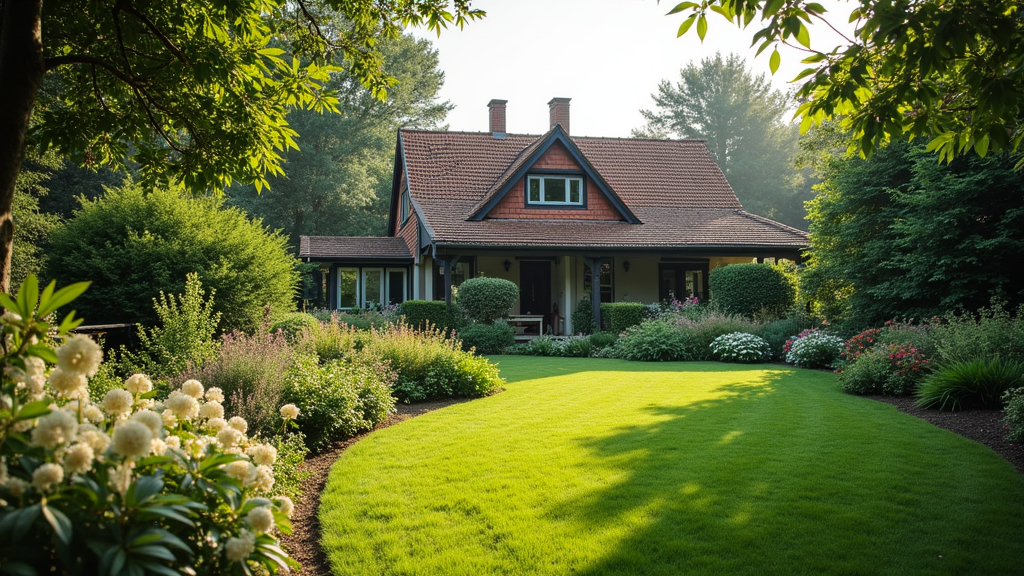
14. Native Plants
Incorporating native plants supports local ecosystems while requiring less water maintenance:
Benefits Include:
1. Low Water Usage
2. Attract Pollinators
3. Reduced Pest Issues
FAQ Section
Here are some frequently asked questions about designing functional spaces for entertaining outdoors:
Q1: What are essential elements in outdoor entertainment design?
A1: Essential elements include seating arrangements, dining areas, cooking stations, lighting solutions, privacy features, and decorative elements that establish ambiance.
Q2: How do I choose furniture for my outdoor space?
A2: Consider durability against weather conditions while ensuring comfort; opt for materials like teak or aluminum combined with weather-resistant cushions.
Q3: How can I make my outdoor area more private?
A3: Use natural barriers such as tall plants or strategically placed shrubs; adding screens or trellises can also help create secluded zones.
Q4: What lighting options are best suited for evening gatherings?
A4: Layered lighting works best—mix ambient string lights with task lighting focused on cooking areas, complemented by accent lights showcasing landscaping features.
Q5: Can I integrate technology into my outdoor design?
A5: Absolutely! You can add Bluetooth speakers for music control via smartphones while using smart grills monitored remotely; automated lighting systems enhance convenience too!
Q6: What sustainable practices should I consider when designing my outdoor space?
A6: Utilize eco-friendly materials such as recycled wood and native plants that require less maintenance while supporting local ecosystems; this promotes sustainability effectively!
Conclusion
Designing functional spaces for entertaining outdoors isn’t merely about aesthetics; it’s about crafting experiences that foster connection among family and friends amidst nature's beauty! From understanding landscape design principles to choosing furniture thoughtfully—every detail counts in creating an unforgettable atmosphere tailored specifically towards personal tastes! Remember always keep functionality at heart while blending it seamlessly with style—the perfect recipe awaits just outside your door!
By following this guide thoroughly—and infusing creativity along every step—you'll surely elevate those cherished moments shared under the open sky!